
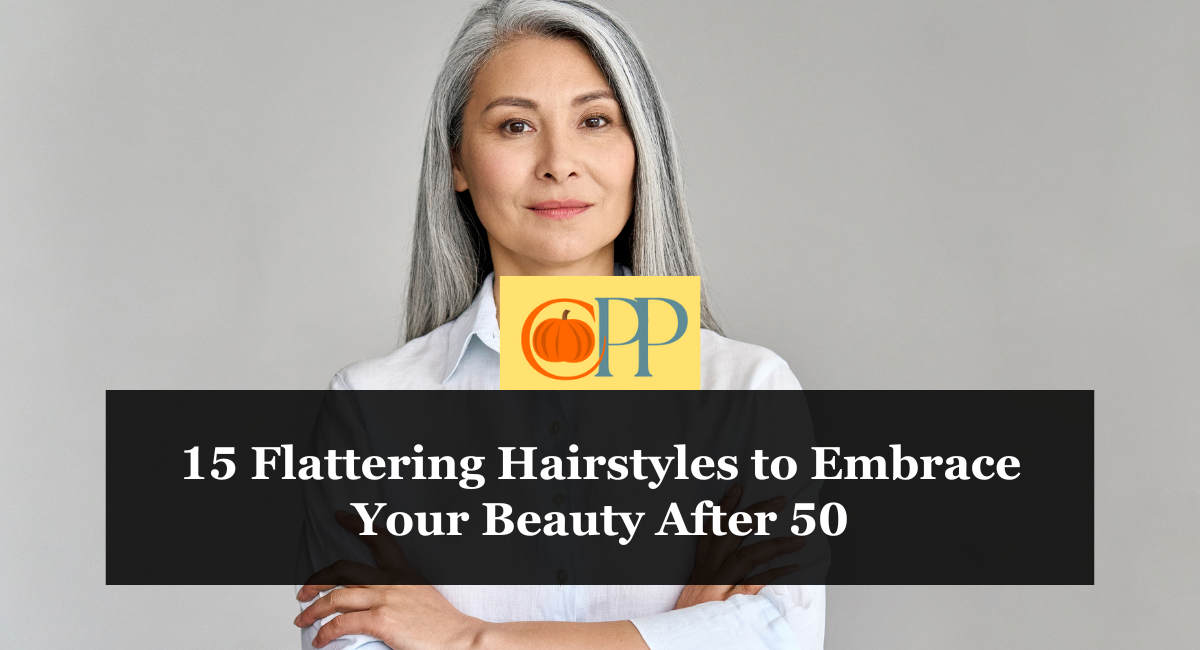
Turning 50 is a milestone birthday, often associated with a newfound confidence and a focus on self-care. Your hairstyle is a key part of your personal expression, and after 50, it’s a chance to explore styles that complement your features and flatter your face shape.
Gone are the days of feeling limited by hairstyle trends. The good news is, there are countless gorgeous options for women over 50, from short and sassy pixies to long, flowing locks.
Finding the Perfect Style: Consider Face Shape and Hair Texture
The key to a flattering hairstyle lies in finding one that complements your face shape and hair texture. Here’s a breakdown to help you identify your best features:
Face Shape: Oval faces are considered the most versatile, able to pull off most styles. Round faces benefit from haircuts with added height and volume on top.
Square faces look great with styles that soften the jawline, like layered cuts or longer waves. Heart-shaped faces can balance their features with styles that add width at the chin, such as chin-length bobs or angled cuts.
Hair Texture: Fine hair thrives with layered cuts that add volume and movement. Thick hair can be tamed with long layers or blunt cuts to balance the weight. Wavy or curly hair can be accentuated with textured cuts and minimal styling.
Short and Chic: Pixie Cuts and Bobs
Short hairstyles are not just for young women! They can be incredibly sophisticated and flattering for women over 50. Here are some short options to consider:
Pixie Cut: The pixie cut is a timeless classic that’s both stylish and low-maintenance. It features short hair all around, with optional longer layers on top for added texture and styling versatility.
Pixie cuts can be tailored to your face shape, with a side-swept fringe for round faces or a choppy texture for softening a square jawline.
Bob: The bob is another versatile short hairstyle that comes in various lengths and styles. A chin-length bob with textured ends can add volume to fine hair, while a blunt bob with a deep side part offers a sleek and sophisticated look.
For a touch of whimsy, consider a graduated bob with shorter hair in the back and longer strands framing the face.
Effortless Elegance: Medium-Length Styles
Medium-length hairstyles offer the best of both worlds: manageability and versatility. These styles can be worn straight, wavy, or curled for endless styling options.
Long Bob (Lob): The lob is a universally flattering style that falls between the chin and shoulder. It’s perfect for adding volume to fine hair and balancing features on round or square faces. Layers throughout the lob add movement and texture, while a blunt cut creates a sleek and polished look.
Shoulder-Length Layers: Layers are your friend when it comes to medium-length hair. They add volume, texture, and movement, making hair appear thicker and more youthful. Shoulder-length layers can be styled straight for a relaxed look or curled for added glamour.
Long and Luxurious: Embracing Your Natural Hair
There’s no need to cut your hair short after 50! Long hair can be incredibly elegant and age-defying when styled correctly.
Long Layers: Layers are just as beneficial for long hair as they are for medium lengths. They add movement and prevent long hair from looking weighed down. Opt for face-framing layers that draw attention to your cheekbones and soften your jawline.
Natural Curls and Waves: Embrace your natural texture! Long, curly, or wavy hair can be incredibly flattering when styled correctly. Diffusing or air-drying helps maintain your natural curl pattern, while a lightweight styling cream can tame frizz and define your curls.
Beyond the Cut: Color, Highlights, and Styling Tips
Hairstyle is just one aspect of a great look. Consider these tips to further enhance your new cut:
Hair Color: Highlighting your hair with subtle blonde or dimensional brown tones can add depth and dimension, making hair appear thicker and more youthful. If you’re considering going gray, a skilled colorist can help you achieve a flattering shade of silver or white.
Styling: Don’t underestimate the power of a good blowout or a quick curl. Styling your hair, even if it’s just occasionally, can make a big difference in how polished and put-together you feel.
Hair Care: Healthy hair is the foundation of any great hairstyle. Use a shampoo and conditioner formulated for your hair type, and don’t forget to deep condition regularly to maintain moisture and shine.
Confidence is the Best Accessory
Ultimately, the most important factor in any hairstyle is how it makes you feel. Choose a style that reflects your personality and makes you feel confident and beautiful.
With so many gorgeous options to choose from, there’s a perfect hairstyle waiting to enhance your natural beauty after 50. Here are some additional tips to embrace your confidence:
Experiment and Have Fun! Don’t be afraid to try new styles. Hair grows back, so experiment with different cuts and colors to find what flatters you most.
Find a Stylist You Trust. A skilled hairstylist can assess your face shape, hair texture, and personal style to recommend the perfect cut and color for you.
Embrace Your Natural Beauty. Healthy, well-maintained hair is always in style. Focus on nourishing your hair from the inside out with a balanced diet and proper hair care routine.
Accessorize! Hair accessories can add a touch of personality and style to any haircut. Explore headbands, scarves, barrettes, or clips to personalize your look.
Remember, age is just a number. With the right hairstyle and a confident attitude, you can look and feel your absolute best at any stage of life. So go forth, embrace your natural beauty, and rock that new hairstyle, lady!